7 min read
Home lifts: A rising trend in 2025
Blog article
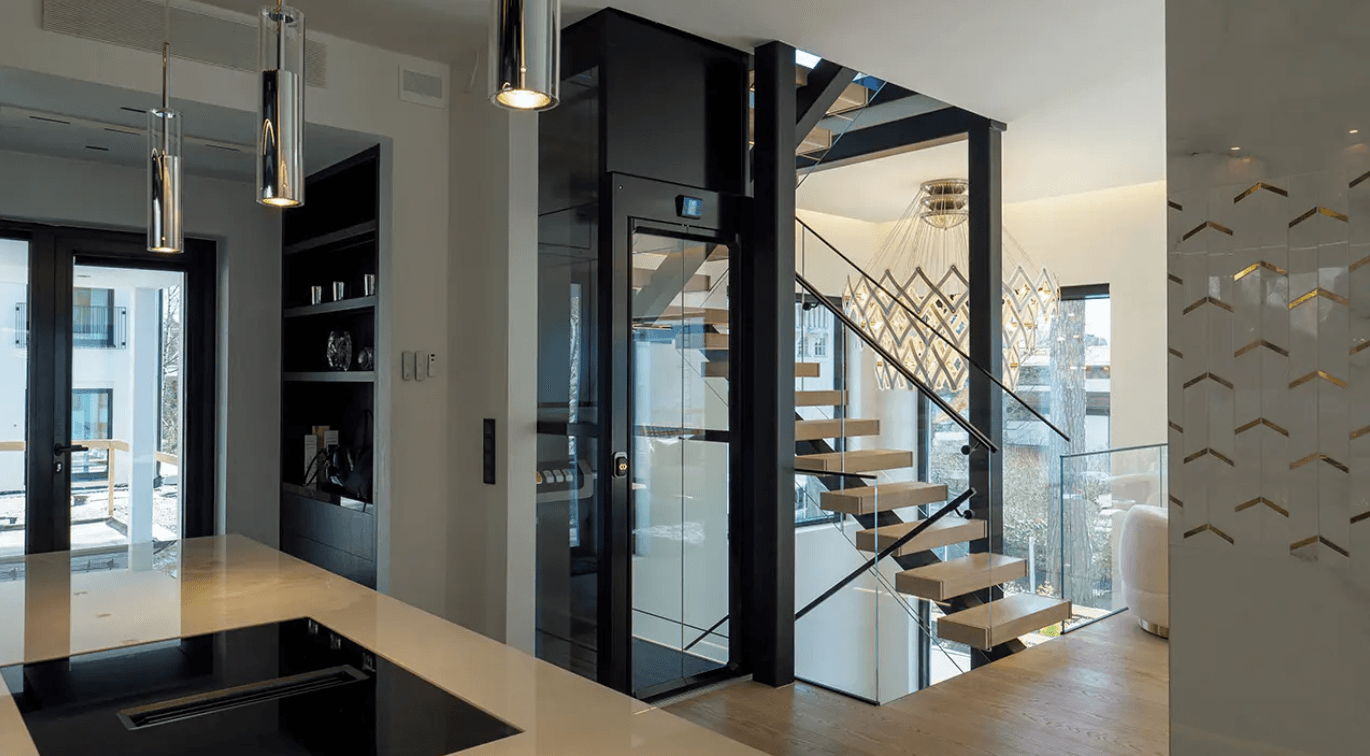
Installing a lift at home has become more popular in recent years and home lifts are a rising trend in 2025. This trend is not expected to slow down anytime soon. Whether for accessibility and mobility reasons, or luxury and comfort, home lifts are now more accessible than ever before. In this blog we will explore the reasons behind the growing popularity of getting a residential lift.
Reasons behind the rising home lift trend:
- Desire to age in place
- Growing demand for luxury living
- Impact of working from home
- Changing housing market
- Improved design and functionality
- Rise in urbanisation
1. Desire to age in place
Today, residential elevators have become a lifestyle choice for increased everyday comfort and freedom. Humans spend around 63% of their time awake at home (Source), and 9 out of 10 older adults prefer to live in their home than in a care facility (Source). Having a lift at home offers you the freedom to continue to live in the house that you love, for as long as you want, regardless of your age or physical ability. In addition, people in Europe live for a longer time than ever (Source), so more and more people need a lift at home to offer convenient access to all floors of the house. Therefore, the preference to age in place is a growing trend that also fuels the rising trend of home lifts in 2025.


But there are also valid safety reasons for seniors to get a residential lift. Older adults are 3 times more likely to suffer a traumatic injury or fracture during a stair related fall. (Source). As a result, many are installing residential elevators at home as a safe alternative to stairs. Not only does a home elevator reduce your risk of injury, but is a great help for people using mobility devices or wheelchairs.
As a result, more architects are integrating home elevators into their projects. Residential lifts make homes more accessible and safe, but also promote long-term sustainability as they enable people to make their beloved house into a true forever home instead of moving or building a new one.
2. Growing demand for luxury living
The rise in disposable income in some emerging economies is increasing the demand for luxury residential properties. One of the consequences of that is that more high-end residential buildings are integrating home lifts as a standard feature.
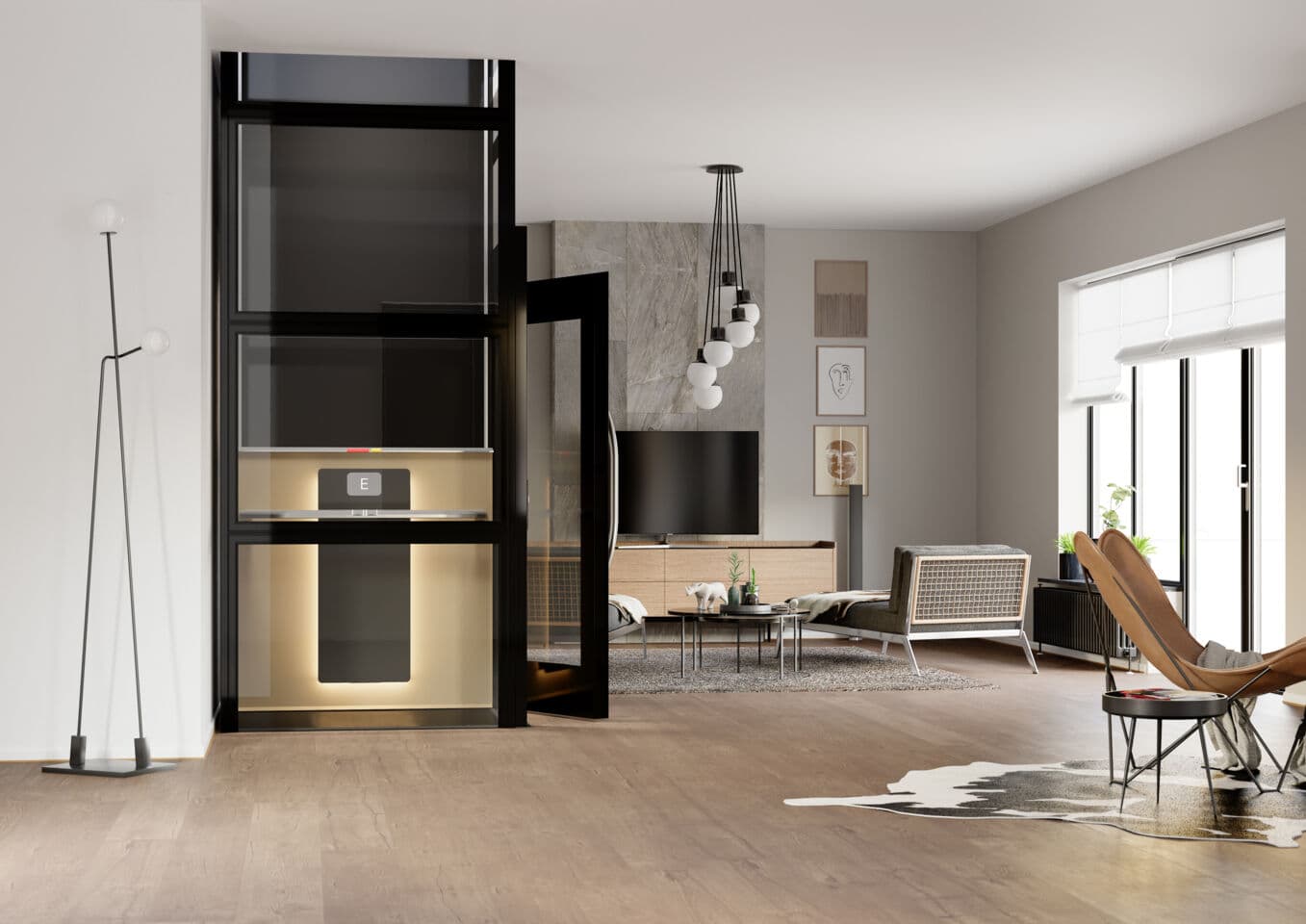
Home lifts have undergone great changes in recent years, making them more appealing to those who are looking for lifts to match their luxury lifestyle. Today’s lifts look more modern and some also have very innovative designs. But it goes beyond that… Nowadays it is easier than ever to customise your lift so that every detail matches the aesthetics of your home.


Cibes Air residential lift
Previously, lifts were mainly designed to transport people from one floor to another, but this has changed over time. Today, comfort and design are one of the focus areas when designing a new lift. An example of this is our Home lift Cibes Air, that can be customised to match your personal sense of style. As a result, more homeowners are inclined to make the investment of installing a residential lift, since it enhances the interior design and also increases property value. Thanks to the high-end customisation options and beautiful design features, architects are now able to get lift designs that blend in seamlessly with the look and feel of the interior.
3. Impact of working from home
While the installations of lifts in public buildings decreased due to the many Covid-19 lockdowns a few years ago, the interest for domestic lifts rose at the same pace as the trend of working from home. Ever since the Covid pandemic, remote work has proved to be a trend that is here to stay. As of 2023, 12.7% of full-time employees work from home and 28% work in a hybrid model (Source).
As a result, the interest for home improvement has increased and the desire to create a space that is inline with personal style and needs is greater than ever. Just like many homeowners see the need to renovate a kitchen or upgrade to new furniture, an increasing number are now choosing to take comfort to the next level by installing a lift at home.
4. Changing housing market
In many countries, house prices are going through the roof and there is a shortage in the housing market. It is becoming increasingly difficult to buy a new house and people are looking at alternative options to improve their current homes. In the past, older adults sold their properties to buy a bungalow or a one storey flat for their golden years. However, in the current economic climate, buying a new one storey flat or house is not affordable to everyone.
Instead of finding a new place to live, older adults are adapting their current home by adding practical solutions that make ageing in place possible and safe. Adding a lift to a house is a very cost-efficient solution if you compare it to reconfiguring your house to fit all the essential functions to the ground floor or buying a new home. Plus, if you were ever to sell your home, the elevator may increase your property value by up to as much as 10%. It is also likely that the lift makes your property more appealing to a larger pool of buyers.
See: How much does a Cibes home lift cost


Source: Blomberg
5. Improved design and functionality
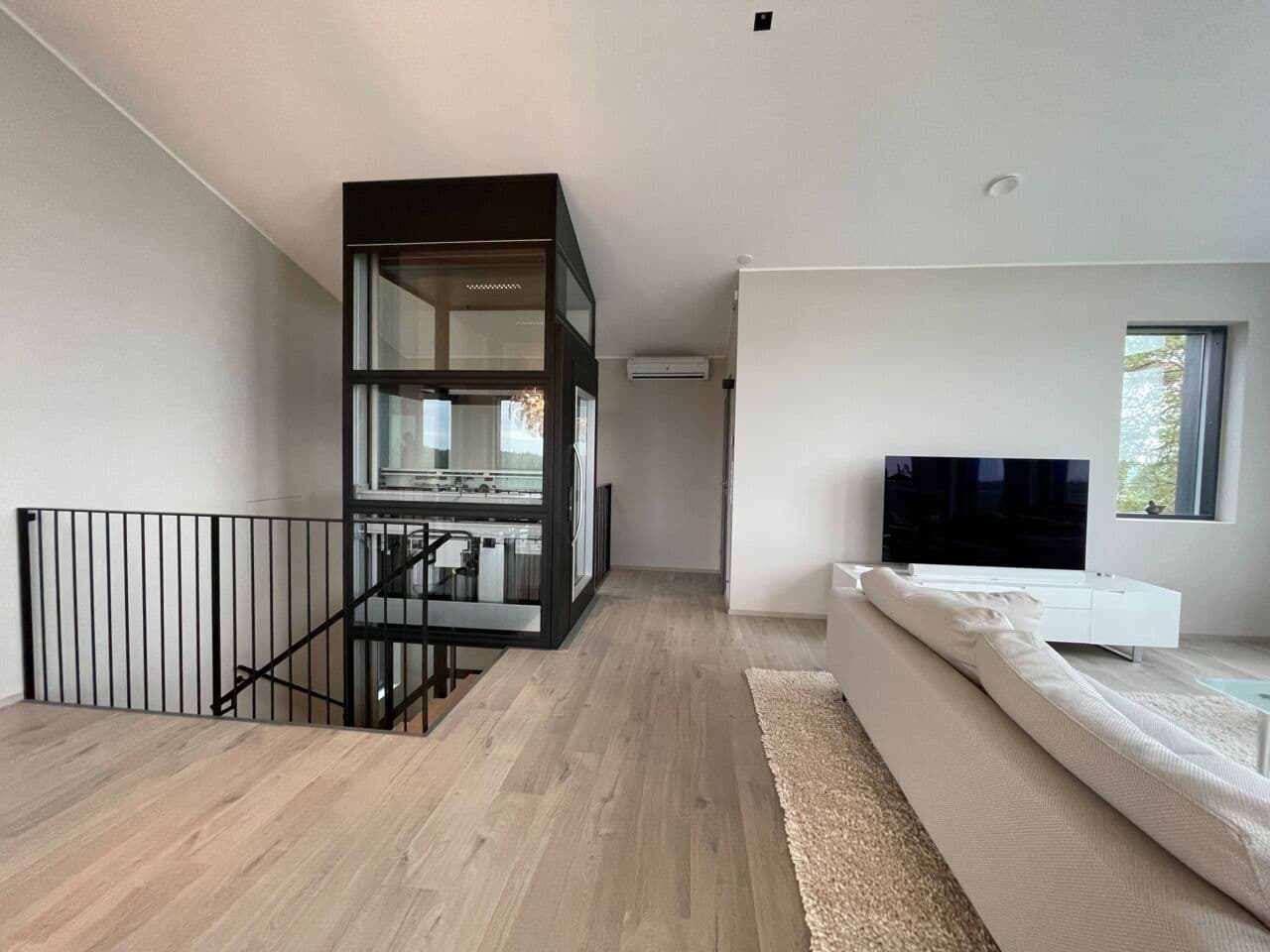
Back in the day, elevators were all about basic function, with little room for anything else. Space-efficient, attractive and affordable solutions did not exist for the residential market. In recent years, home elevator manufacturers have taken huge steps forward and are now offering residential elevators that are more space-saving, affordable and aesthetically appealing than ever. This has made residential lifts a more appealing choice for a larger number of home owners.
Within the residential elevator category, you find lift models that are energy efficient, space efficient, wheelchair-friendly and luxurious. As a result, most homeowners can find a solution that fits their requirements and budget. The improved offering of elevating solutions has also made more architects include home lifts as a standard feature in their projects.
6. Rise in urbanisation
The increasing urbanisation also plays a significant role in making home lifts a rising trend. Already today, more than 50% of the world population lives in cities, a number is expected to increase to about 70% by 2050 (Source). However, the urbanisation trend entails certain challenges.
The growing urbanisation has accelerated the demand for housing while the prices of land are increasing. As a result, taller buildings are key to successfully adapt to a growing urban population. Home lifts and elevators in general are key to building prosperous and inclusive cities.
An example of vertical living facilitated by elevators, is the Karlatornet, the tallest building in all of the Nordic region, which includes 611 apartments with shared co-working spaces, a gym and even a dog spa. This is the perfect example of how elevators can change the way we build our homes and enable cities to accommodate for the growing urban population.


It is safe to say that home lifts are a rising trend due to the benefits that come with having an elevator at home. More people are starting to see lifts as a solution to live comfortably, age in place, and upgrade their living. Perhaps this is something you are considering too?
We manufacture and install a range of residential elevators, for different types of users and buildings. Our team of experts is ready to advice you on a lift that suits your situation and budget. Get in touch with our representatives to get more information, or a personalised quote.