

Blog article
14 min read
Home lifts in the UK: A complete guide to choosing the right lift for your home
Blog article
Home lifts in the UK are no longer seen as a luxury reserved for large properties or specialist needs. Across the UK, more homeowners are considering lift solutions as part of how they live, plan, and future‑proof their homes. An ageing population, changing mobility needs, and a rise in multi‑storey living have all contributed to this shift. A report from Foresight shows that by 2040, nearly 1 in 7 people is projected to be aged over 75, a trend that shows the future of residential lifts and care in the UK and even beyond. At the same time, modern home lifts have become more compact, energy‑efficient, and suitable for existing houses, making them a realistic option for many more people.
This guide is written for homeowners who want clear, practical information before making a decision. Whether you are planning ahead, supporting a family member, or simply exploring ways to make your home more accessible with home lifts, this is an all-in-one guide about home lifts in the UK. As a UK‑based lift manufacturer working with homeowners, architects, and builders, we understand the questions people ask at the early stages. This guide brings those answers together in one place.
What Does Home Lifts in the UK mean?
A home lift is a lift designed to move people vertically between floors within a private residential property. Home lifts in the UK are most commonly used to provide an alternative to stairs where mobility, safety, or long‑term convenience is a concern. They are often referred to as domestic lifts or residential lifts and are typically smaller and slower than commercial passenger lifts.
Most home lifts fall within the platform lift category. What distinguishes a home or platform lift is that it travels at a maximum speed of 0.15 metres per second and is designed for low‑rise travel, usually between two or three floors. Passenger lifts, by contrast, travel faster, require a lift shaft and machine room, and are intended for higher traffic and larger capacities.
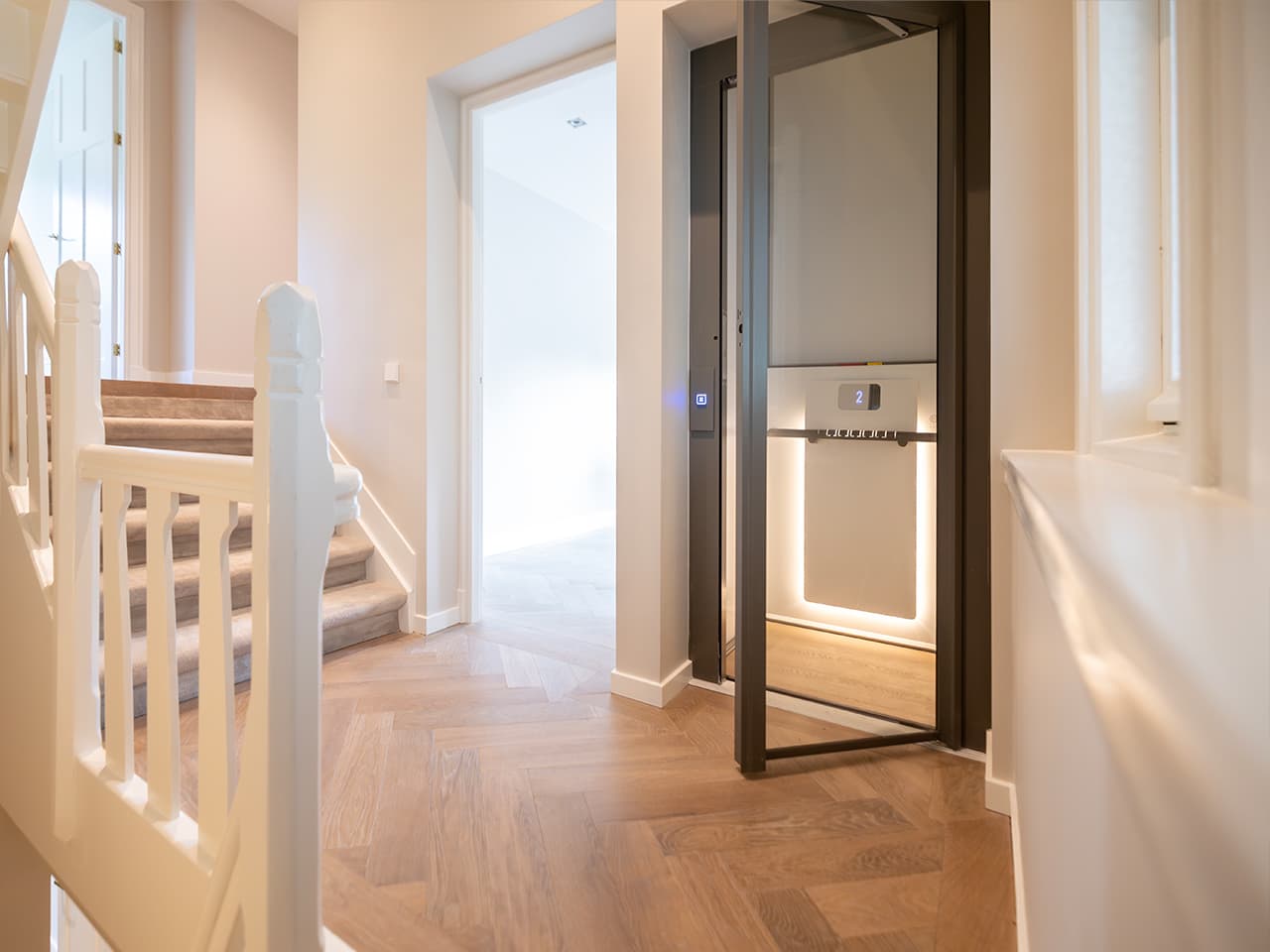
Home lifts in the UK are often installed in living areas such as a lounge or dining space, providing a simple vertical route to a bedroom above. Depending on the model and available space, a home lift can range from a compact small home elevator to a larger residential platform lift.
Who Are Home Lifts For? Real‑World Use Cases
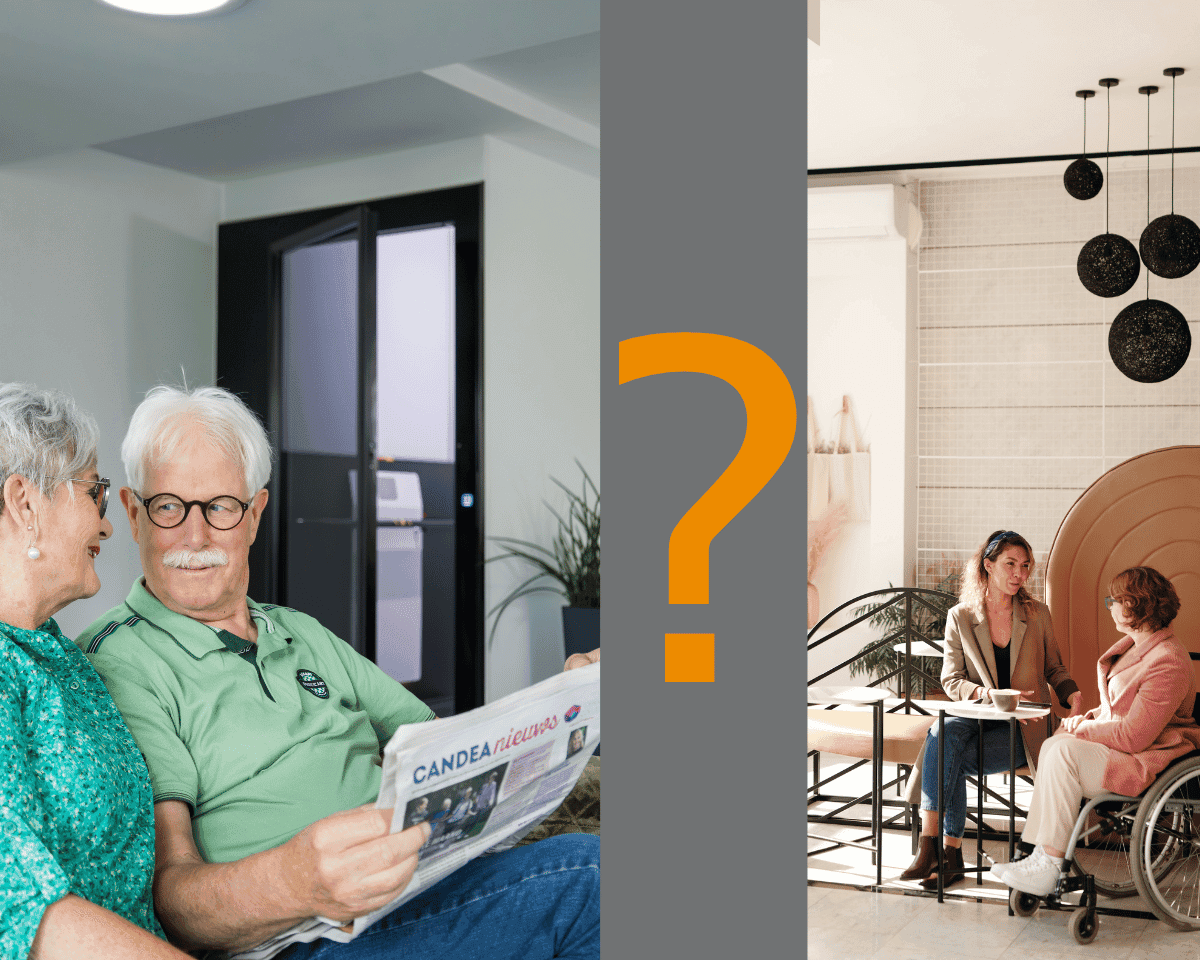
Some of the recurring questions from people about home lifts are – do I need to be elderly to install a home lift? Or Is a home lift only for disability use? Home lifts are used by a large number of homeowners, including those with immediate mobility challenges or elderly. Many people install a home lift as part of ageing in place, allowing them to remain comfortable and independent in a multi‑storey home as their needs change over time.
Residential platform lifts or home lifts in the UK are also commonly chosen by families supporting relatives with reduced mobility, long‑term health conditions, or recovery from injury. For wheelchair users, a residential wheelchair lift or platform lift for the home can provide safe and consistent access between floors without relying on stairs. For example, our A5000 platform lift was installed in a three storey recently refurbished property on the beautiful island of Jersey. The property owners were seeking a solution for transporting goods and groceries throughout their home, alongside having the added benefit of future proofing their property.
To learn more about the home lift installed in the Island of Jersey, read our case study: Cibes Lift UK Installs A5000 in Jersey Home.
Importantly, you do not need to be elderly or disabled to install a home lift. Some homeowners choose small home elevators simply to future‑proof their house, improve accessibility, or protect long‑term property value. In many cases, a home lift is a practical, forward‑looking decision rather than a response to an urgent need.
Types of Home Lifts in the UK
There are several types of home lifts available in the UK, each suited to different properties, space constraints, and mobility needs. Understanding the main options helps narrow down what will work best for your home.
Maximalist bedroom room with contrasting wallpapers, colours and textures.
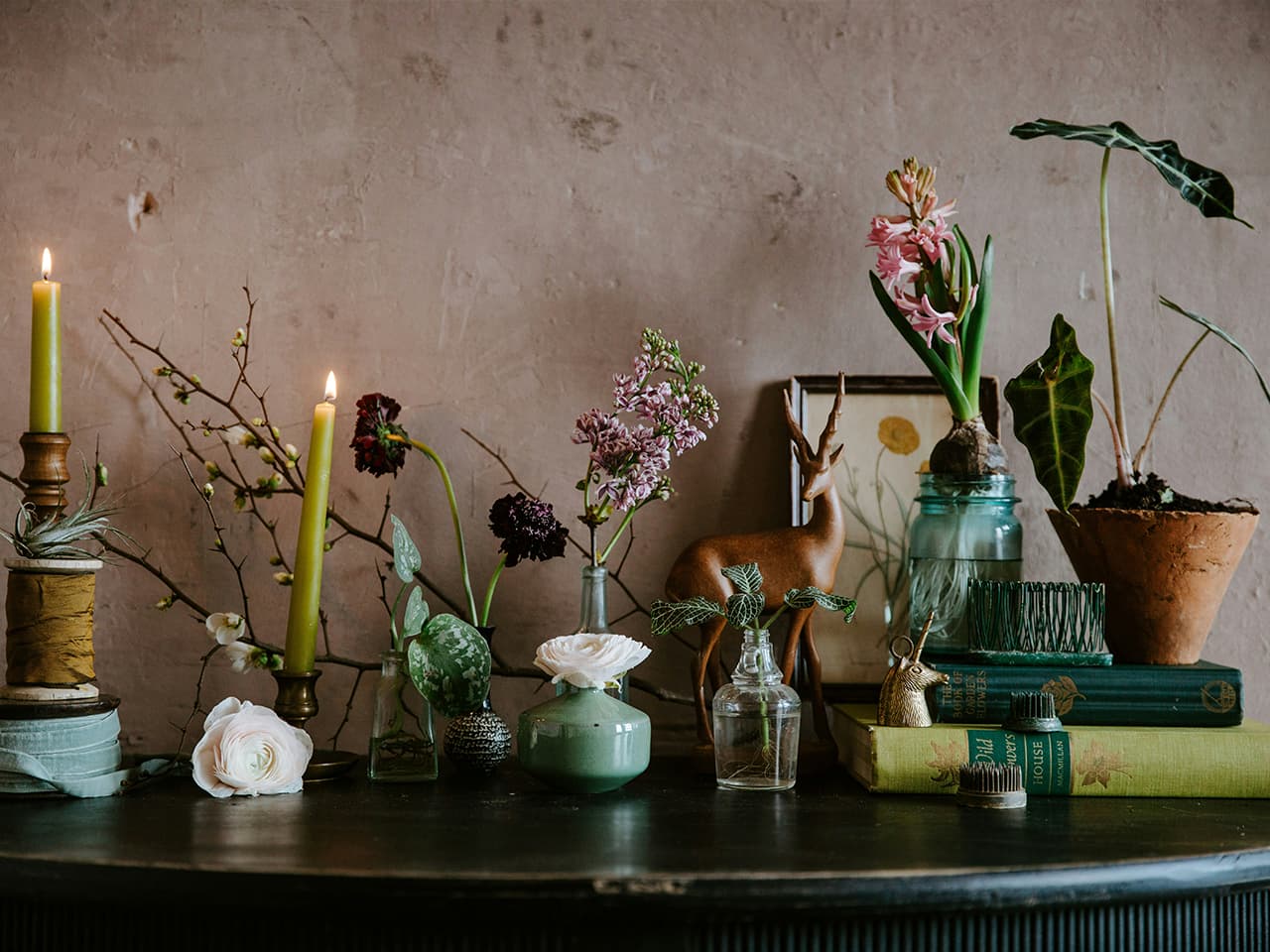
Decorative arrangement of flowers, books and artwork on an antique table.
2. Modern nostalgia: A sophisticated blend of old and new
In essence, modern nostalgia is a sophisticated way of curating the past to make it relevant and functional for our contemporary lifestyle. Mostly known for mixing artefacts and furniture from different eras, this trend also includes fusions of the past and present in new product design.
Modern nostalgia adds a sense of warmth, authenticity and comfort to modern interiors. It uses vintage pieces, souvenirs, heirlooms and modern art to incorporate personal storytelling into the design, without being trend sensitive. It also creates a connection to the past that helps us feel safe and grounded in an unpredictable world.
In 2026, modern nostalgia is predicted to grow because we are longing for homes that feel authentic and personal rather than “picture perfect”.
Key takeaway: The unique mix of old and new is often the secret behind a timeless home interior.
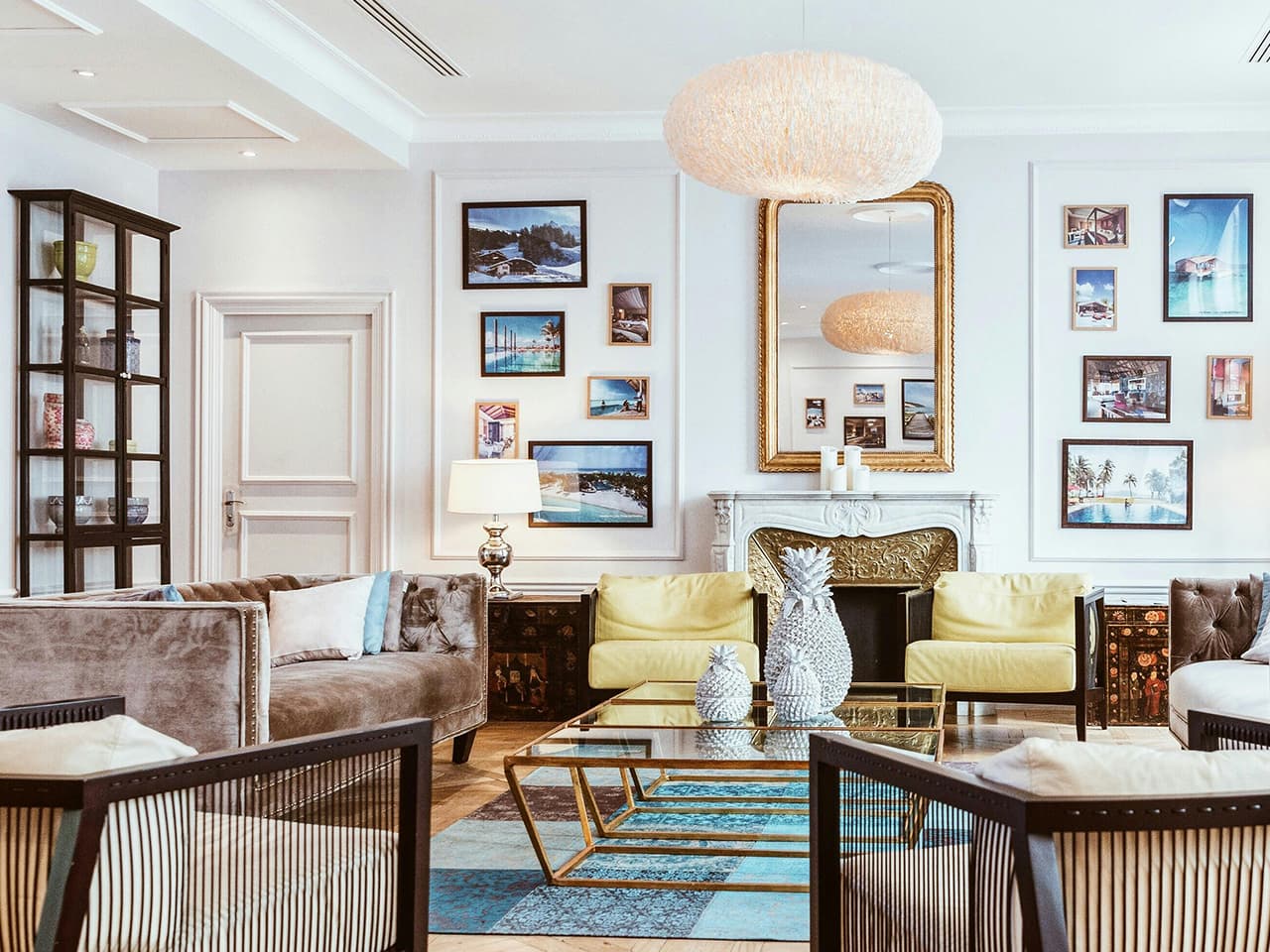
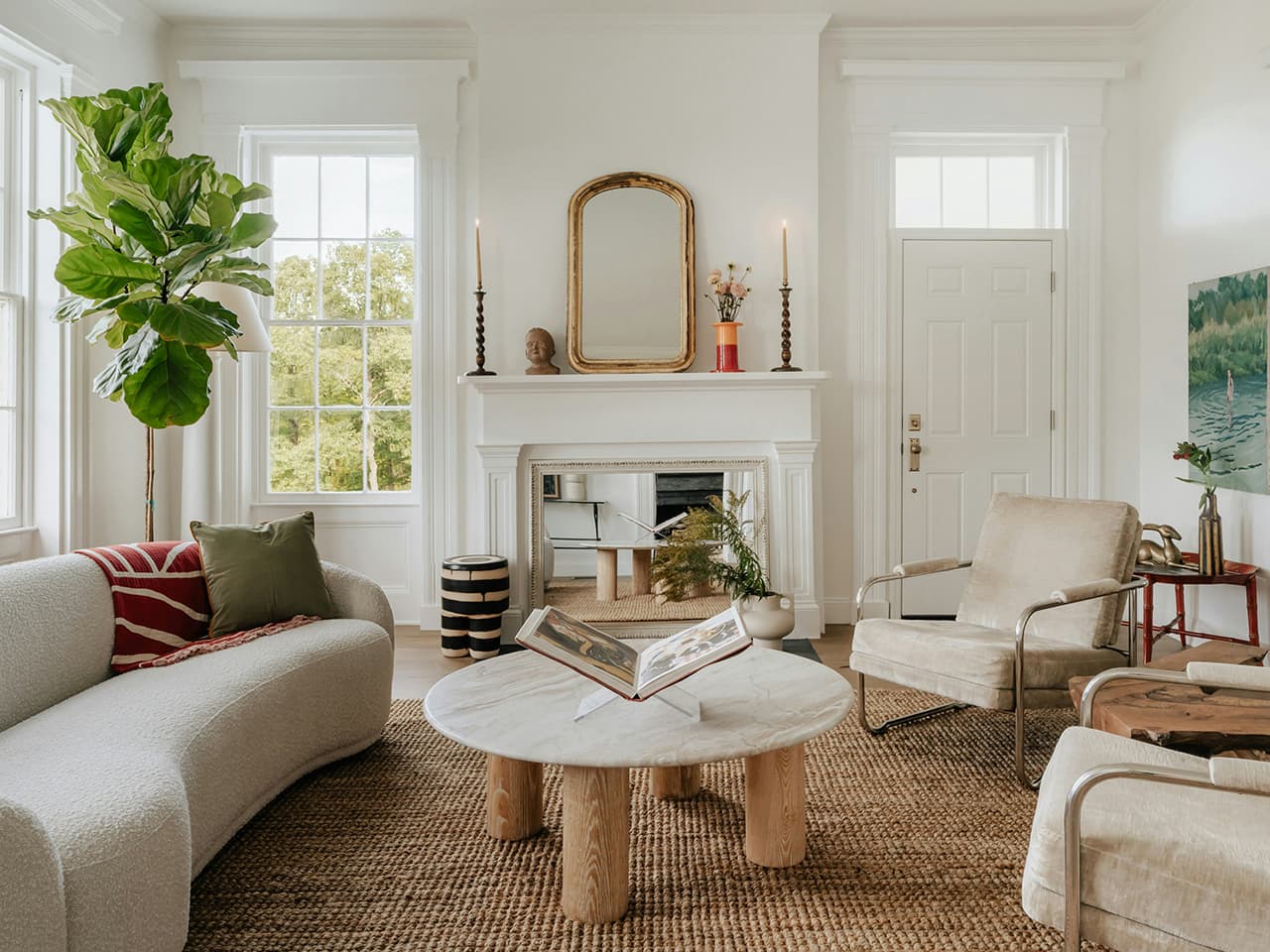
Living room with charming collections of heirlooms and artwork.
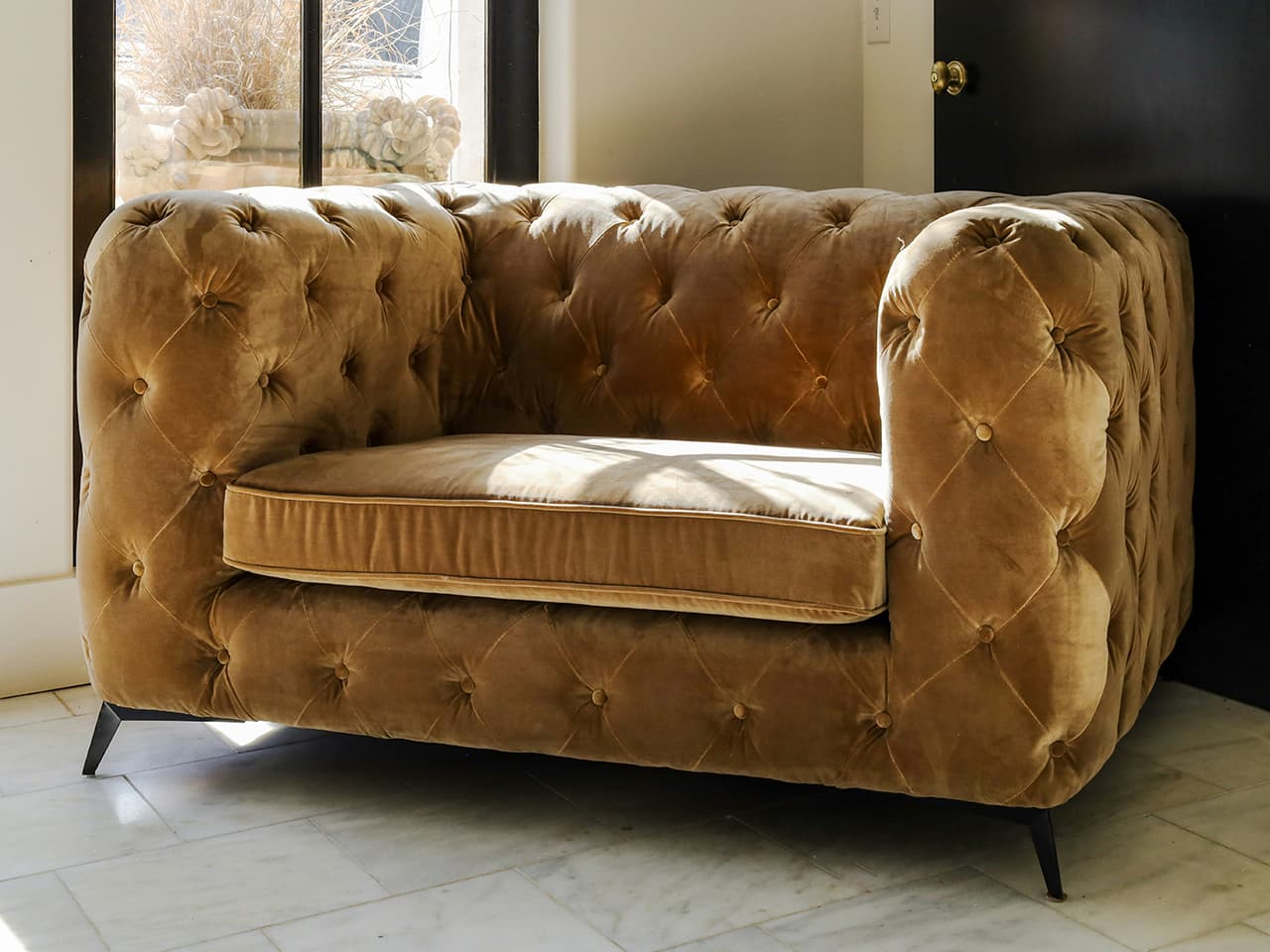
Playful reinterpretation of the classic Chesterfield design.
3. Warm minimalism: Simplicity with identity and soul
Although the maximalist aesthetic is currently dominating the arena, the fundamental design principles of minimalism, like quality, function and precision never go out of style. That said, the cold and stark minimalism, that plastered the pages of glossy magazines a few years back, is definitely out.
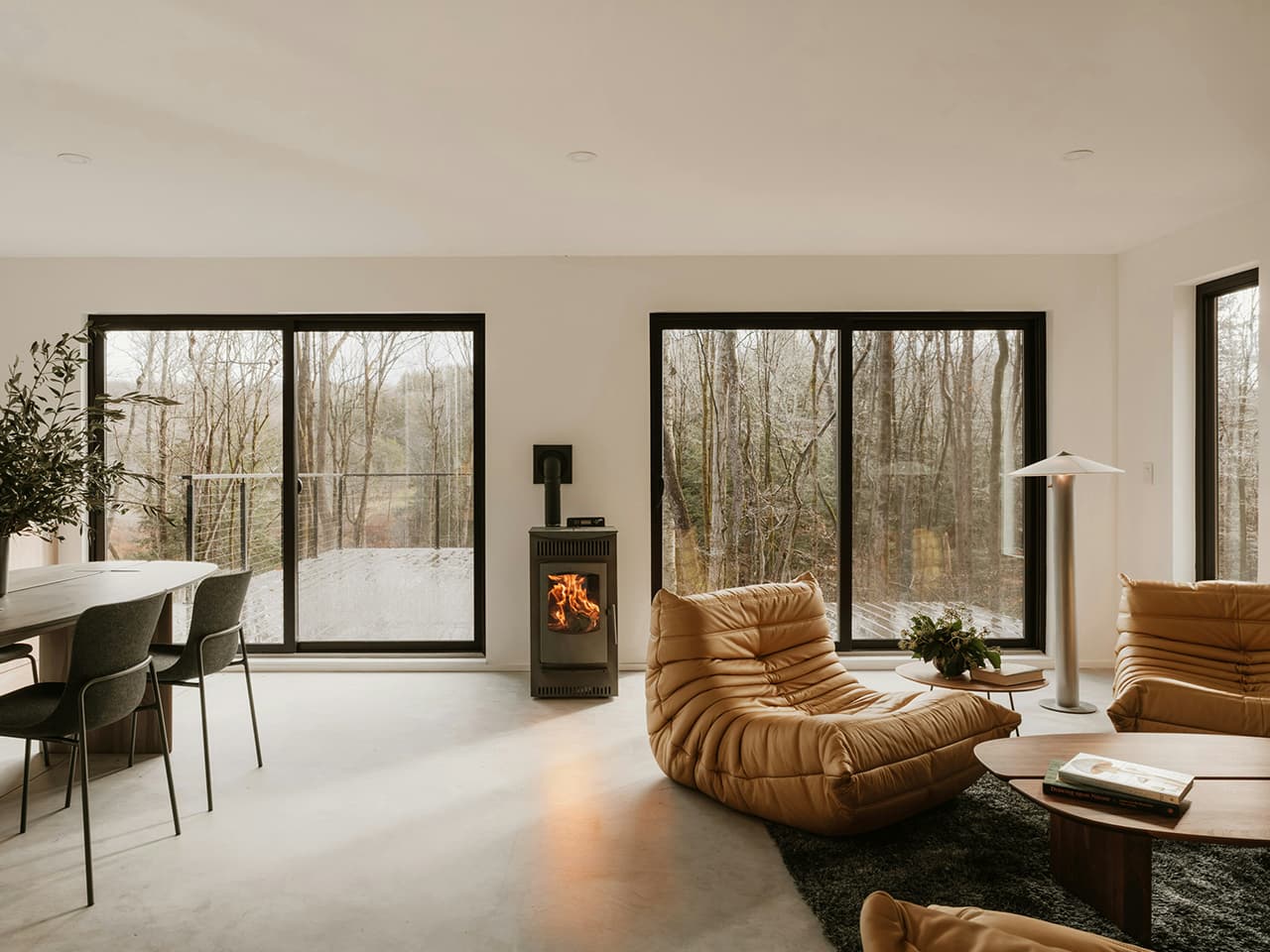
Minimalism in 2026, on the other hand, is warm, inviting and soulful. It embraces soft, organic curves contrasted with strict, geometric shapes, using a warm and earthy colour palette and rich textures. Think sculptural furniture covered in wool, linen and leather, mixed with natural stone and wood in uncluttered rooms. Expect ochre, moss green and ecru tones, anchored by charcoal black, rich browns or deep greys, as well as tactile surfaces that engage the senses.
Key takeaway: You do not need a lot of things to express who you are, just the right things.
Cozy, minimalist interior with Togo armchairs, contrasting shapes and textures.
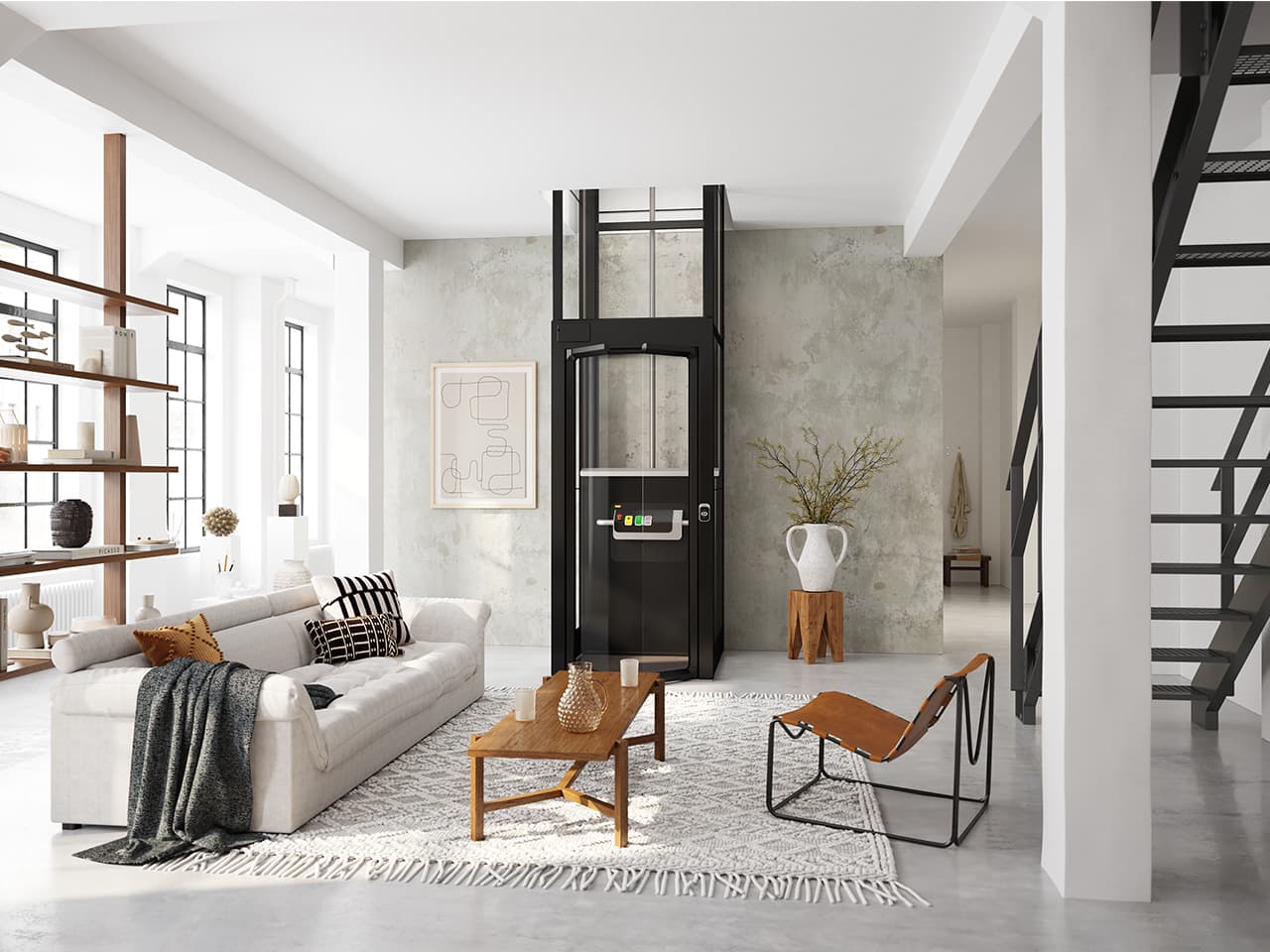
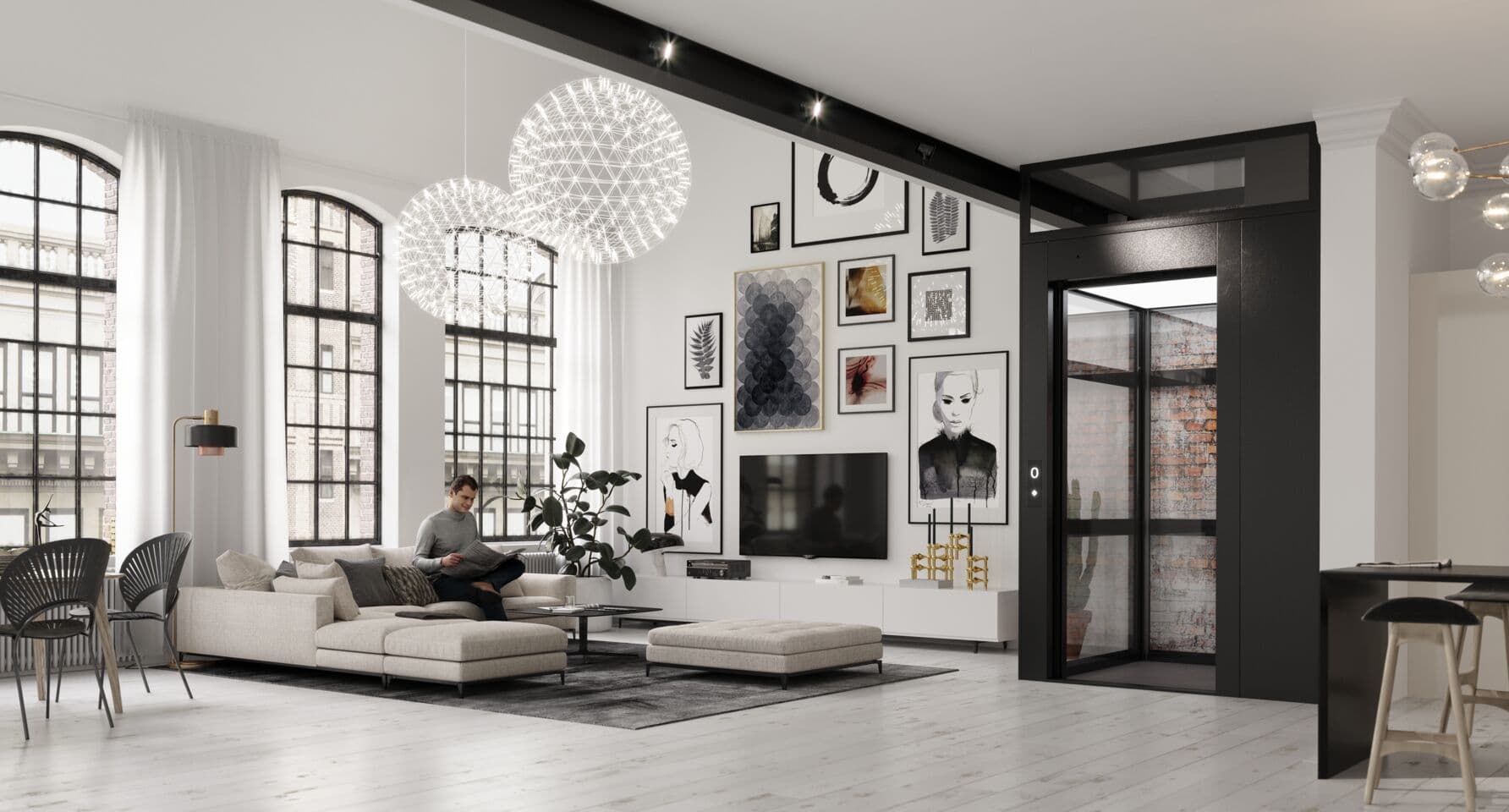
Home lift with a warm, minimalist design, combining clean lines and intuitive function
4. Sustainable luxury: Interior design with integrity
Luxury in 2026 reflects a tangible shift towards mindful consumerism. Homeowners of the most prestigious residences are now embracing furniture, household appliances and materials with a sustainable provenance.
Driven by environmental legislation and evolving consumer preferences, the demand for eco-conscious materials continues to grow. This was confirmed at the Deezen Awards 2025, where Hydro CIRCAL 100R, a recycled aluminium alloy was named material innovation of the year.
However, this new luxury trend is about more than just sustainable materials. Luxury consumers are increasingly interested in unique, handcrafted pieces such as handwoven carpets, handmade rattan furniture and hand-thrown pottery. These artefacts are often locally sourced and privately commissioned for the homeowner’s treasured collection.
Key take-away: Luxury in 2026 is not about excess but about integrity, traceability, and enduring quality.
Luxury living room, decorated with bespoke furniture and artefacts.
5. Biophilic design: Nature infusing everyday life
Biophilic design incorporates nature in architecture and interior design in various ways. While it has been a strong trend for years, biophilic design evolves far beyond decorative plants and large picture windows in 2026.
The architectural trends of incorporating natural materials and blurring the boundaries between indoor and outdoor living continue but become more conscious of sustainability and balance. Think integrated natural systems, such as indoor water features to improve humidity, passive ventilation and insulated, low-emissivity windows. Hydroponic gardens are also a rising trend, allowing you to grow you own herbs or lettuce in your apartment.
In 2026, the biophilic trend will offer you more immersive nature experiences than ever. You can expect to see interiors with reclaimed wood and natural stone walls, as well as an abundance of greenery, not only in huge living walls and indoor gardens, but also in wallpaper design.
Key take-away: Nature is no longer just decoration – it inspires and shapes modern living.
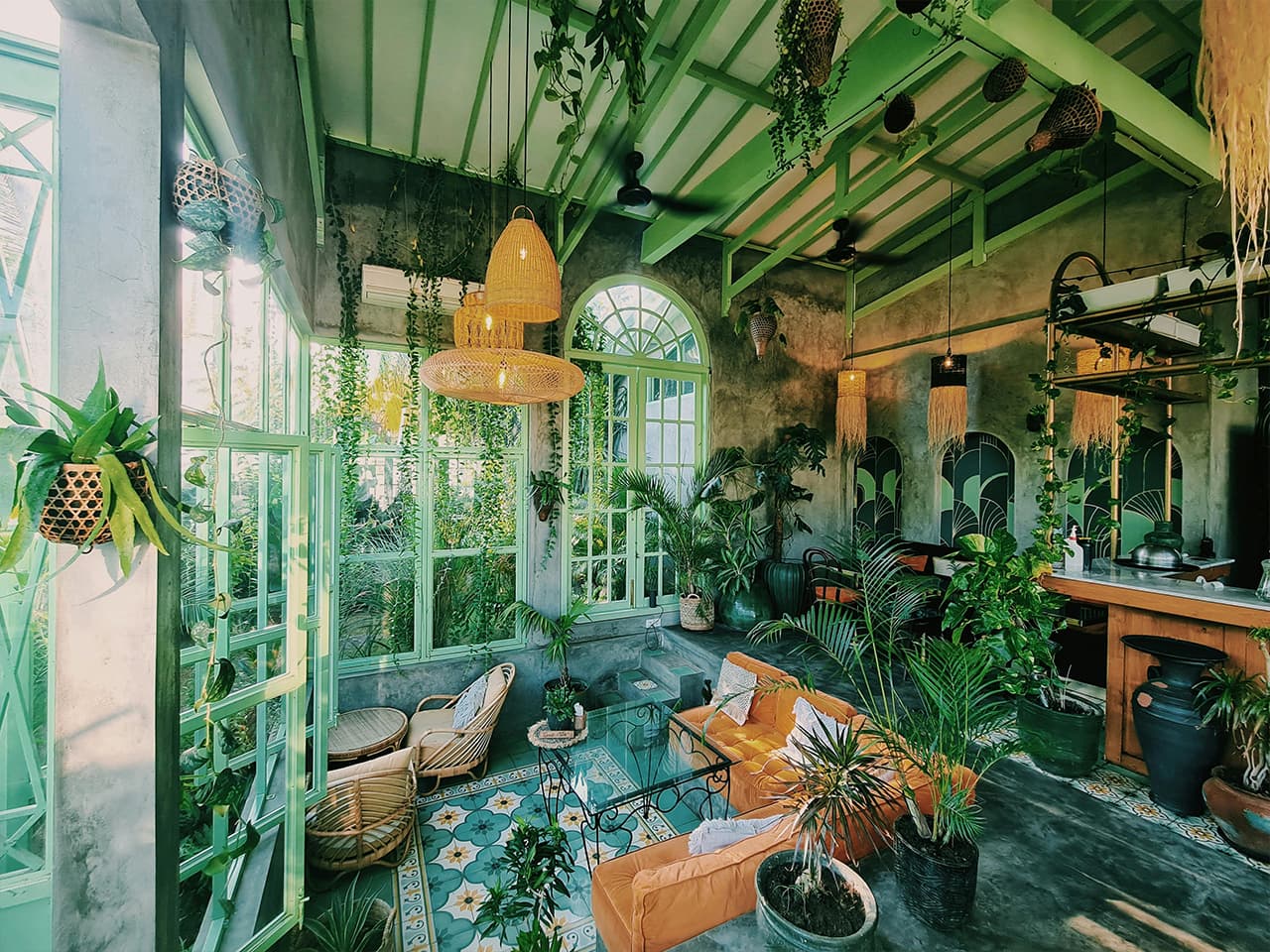
Beautiful indoor garden with potted plants and comfortable seating area.
Hydroponic gardens exist in a wide variety of compact and stylish designs.
6. Quiet technology: Seamlessly integrated comfort
In an era of constant connectivity, we want technology to blend in seamlessly with everyday life at home. The “quiet tech movement” favours hidden integrated platforms as well as automations to optimise energy efficiency, improve air quality and promote healthy routines. Smart home systems are increasingly AI-powered and designed to operate discreetly in the background.
In 2026, quiet household appliances are an absolute must to guarantee our serenity at home. Quiet dishwashers, fridges and air conditioning systems are just a few examples. The demand for other quiet comfort features, such as energy and sound optimised home lifts, is also predicted to grow.
Key take-away: The smartest homes in 2026 will be the ones with the most peaceful atmosphere.
Smart home system for discreet and automated comfort at home.
Quiet and energy-efficient Cibes C1 Pure residential lift in a luxury home.
7. Statement lighting: Sculptural shapes to make your home shine
Although statement lighting has been a thing for years, the lighting trends of 2026 can be said to be bolder and brighter than ever. The trendiest lamps of 2026 are sculptural, colourful and distinctive. Inspired by nature and various retro styles, they also come in many different materials, shapes and sizes.
In 2026, the statement lighting trend is both high-tech and low-tech. New, energy-efficient and smart home ready designs are in high demand, while vintage lamps are also having a big revival. Whether new or vintage, what the trendiest lighting fixtures of 2026 all have in common is that they have sculptural, distinctive shapes that will add a wealth of character to your home.
Key takeaway: In 2026, lighting fixtures are sculptural pieces of jewellery for your home.
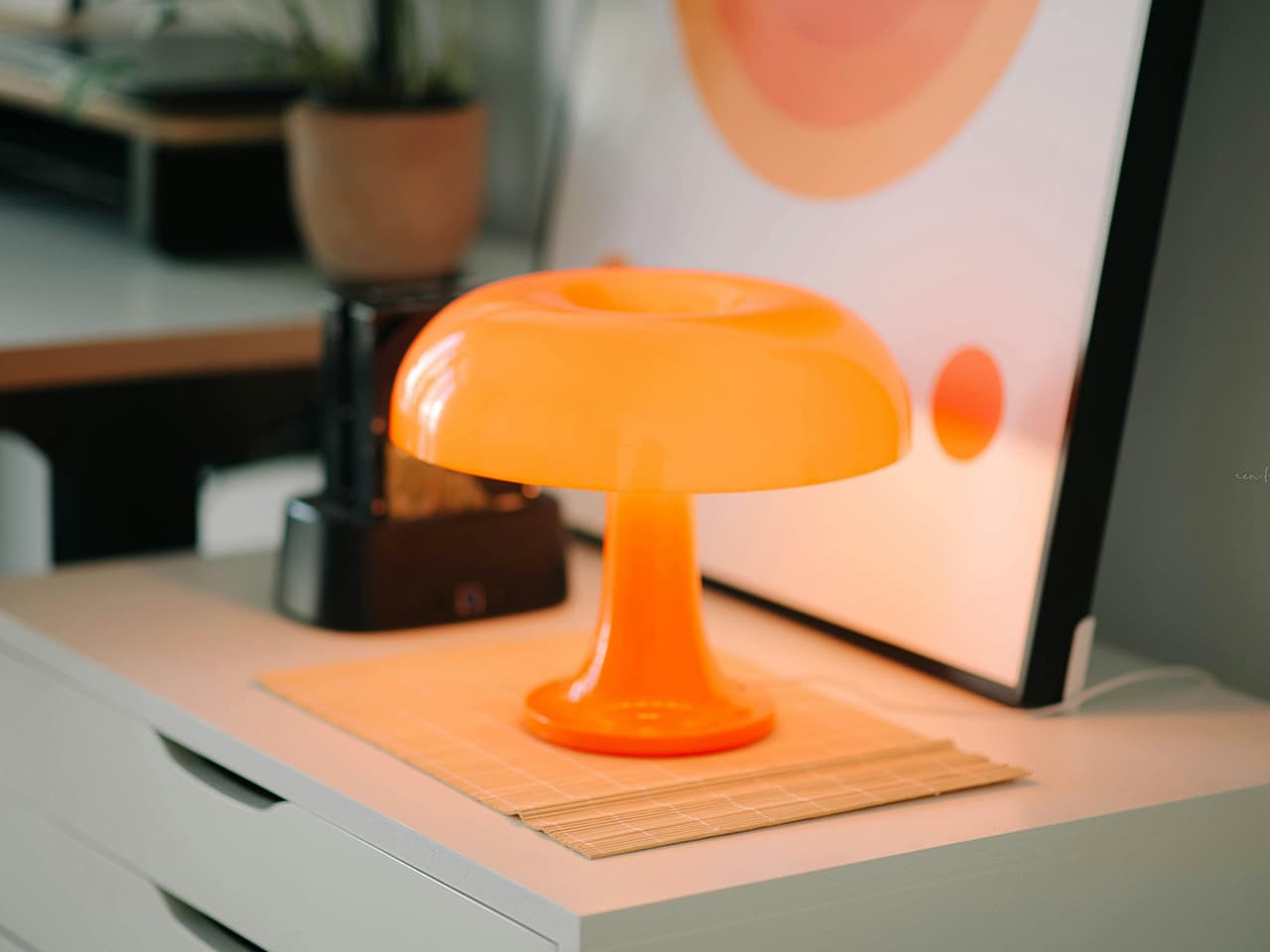
Colourful Nessino table lamp by Artemide in bright orange polycarbonate.
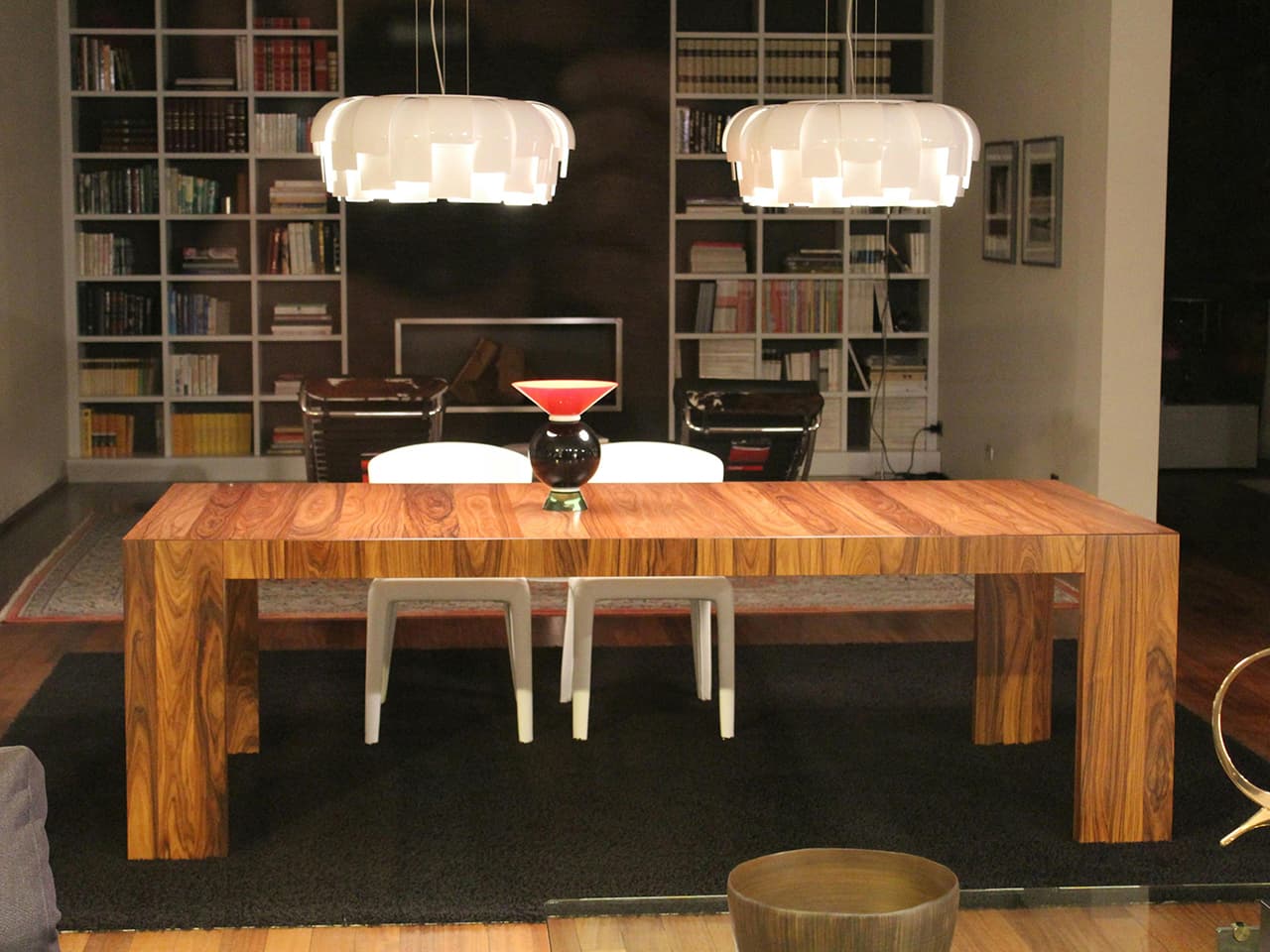
Sculptural vintage pendants in nature inspired shapes.
Emerging decorative styles to look out for in 2026
What would a new year of interior design be without the emergence of new decorative styles? We have selected three emerging styles that are sure to make the interior design scene of 2026 even more inspiring.
Colourful minimalism
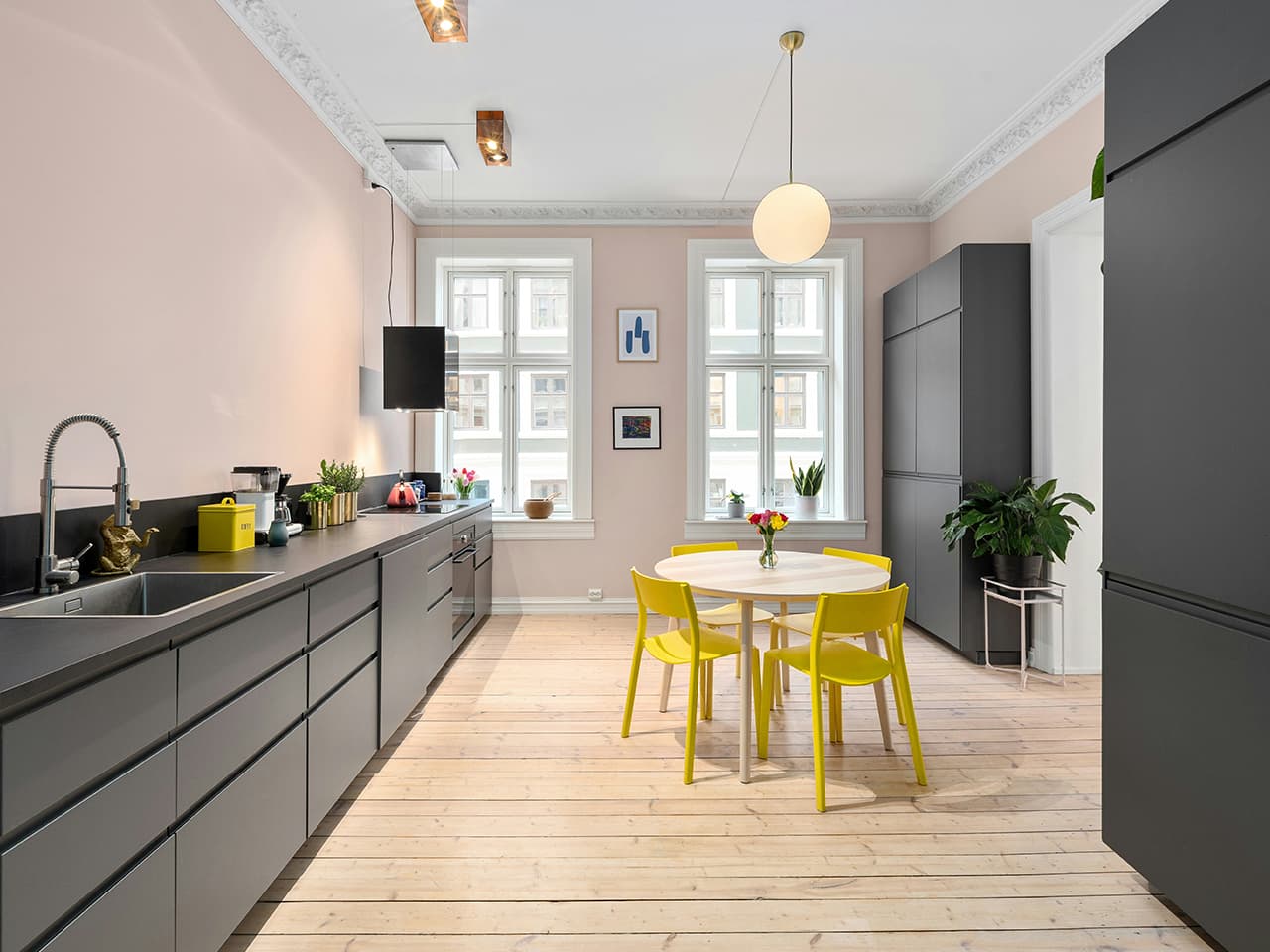
More vibrant than warm minimalism but much less lavish than maximalism, this decorative style injects minimalist design with energy. Often combining soft pastels and darker hues, the trend also includes splashes of bright, contrasting colours for dramatic effect.
Wood panelling
As wood is a key material in all the major decorative trends, it is not surprising that wood panelling too is on the rise. Whether in the form of wainscoting, beadboard, or seamless flatpanel, more rooms than ever will be wrapped in wood panel in 2026.
Memphis Group design
The colourful Memphis Group, blending art deco with pop art, became influential in the 1980s as a flamboyant reaction to minimalist modernism. Today, their vibrant and playful designs are a source of inspiration for a growing number of interior designers.
Final Thoughts: Timeless values in a changing world
The interior design landscape of 2026 is profoundly shaped by our changing and uncertain world. As we yearn for stability and safety, we seek guidance in the past, prioritising personal and emotional connections. This is not a regression to the past but a shift away from excessive and transient aesthetics towards curated longevity.
Like fashion designer Yves Saint Laurent once said: “Fashion fades, style is eternal”. Trends are fun but they are fleeting. That is why we should always trust our taste, be proud of it and stick to it. So, trust your instincts and make sustainable design choices that celebrate the unique character of your home. As it happens, you will even be right on trend, because in 2026, nothing is trendier than personal style.
For more information about the Cibes lift products mentioned in this article, just reach out to us via the contact form below.