8 min read
How to Retire in a Foreign Country: 7 Things to Consider Before Buying a Home Abroad
Blog article
7 Things to consider before buying a home abroad
Wondering how to retire in a foreign country? For many people, it sounds like the dream. Better weather, a lower cost of living, a slower pace of life, and the chance to start a new chapter somewhere you’ve always loved visiting.
However, choosing the right property involves much more than finding a beautiful view or a competitive price. To ensure your new home remains comfortable and enjoyable for years to come, it’s important to think beyond your immediate needs.
Here are seven key things to consider before buying a home abroad and retiring in a foreign country.
1. Choose a destination that fits your lifestyle
It’s easy to fall in love with a place while you’re on vacation. Living there full-time is often a very different experience. As an expat living in Sweden, I can tell you there are countless practical details you don’t think about until you’re actually building a life somewhere new.
Before you start house hunting, think about what day-to-day life will actually look like. Do you want sunshine all year round? Easy access to healthcare? A large expat community? Or maybe you’re looking for somewhere quieter with charm?
It’s also worth looking at the cost of living, local infrastructure, and how easy it is to stay connected with friends and family back home. A great resource is this tool by Numbeo Cost Of Living helping you compare the cost of living in different locations before making a decision.
The goal isn’t to find the most popular country to retire abroad. It’s to find the one that fits the life you want to live.
2. Take time to understand the local property market
Every country does real estate a little differently. The types of homes available, the websites for viewing properties, buying regulations, taxes, and even ownership rights can vary significantly from one place to another. What’s standard in one country might be completely unfamiliar in another.
Property laws, taxes, and ownership rules vary significantly between countries. Before making a purchase, consult a qualified local lawyer and review guidance from relevant organizations. Spending time understanding the local market can help you avoid costly surprises later.

3. Stay informed about healthcare options
Healthcare isn’t always the most exciting part about planning to retire abroad, but it may be one of the most important. Even if you’re in great health today, it’s worth considering how easy it would be to access medical care if you ever need it.
Look into: Nearby hospitals and clinics, specialist services, emergency care, local health insurance requirements and language barriers. Many retirees find that having quality healthcare nearby gives them confidence and peace of mind as they settle into a new country.
Healthcare costs can vary significantly depending on the country. Some destinations offer high-quality public healthcare at low costs, while others require private insurance and out-of-pocket expenses. Getting an understanding of the costs of healthcare in your destination country will help you avoid any surprises later on. Resources such as the European Health Insurance Card can provide a useful starting point.
4. Make sure your dream destination is easy to move to
Retiring abroad isn’t just about choosing the right home. It’s also about understanding whether you can realistically live there long term. Depending on where you’re from and where you’re planning to move, residency requirements can vary significantly. Some countries make it relatively straightforward for retirees to relocate, while others have stricter rules around visas, permits, and financial requirements.
What works for one retiree may not work for another. For example, some countries require applicants to demonstrate a stable income or a certain level of savings before granting long-term residency. It’s worth understanding these requirements early in the process, as they can have a significant impact on where and how you choose to retire.
5. Plan for the future
One of the biggest mistakes people make when buying a retirement property is focusing only on their current needs.
The reality is that retirement often lasts decades. A home that feels ideal at 60 may not feel quite so practical at 80. That’s why it’s worth asking a few future-focused questions before buying:
- Will the layout still work if mobility becomes more challenging?
- Are the key living spaces easy to access?
- Is the home easy to maintain?
- Could it be adapted later if needed?
It’s also worth paying attention to specific features when viewing properties. For example, are the hallways spacious enough to move around comfortably? Are bedrooms and bathrooms easy to access? Does the home have a flexible layout that could accommodate changing needs in the future?
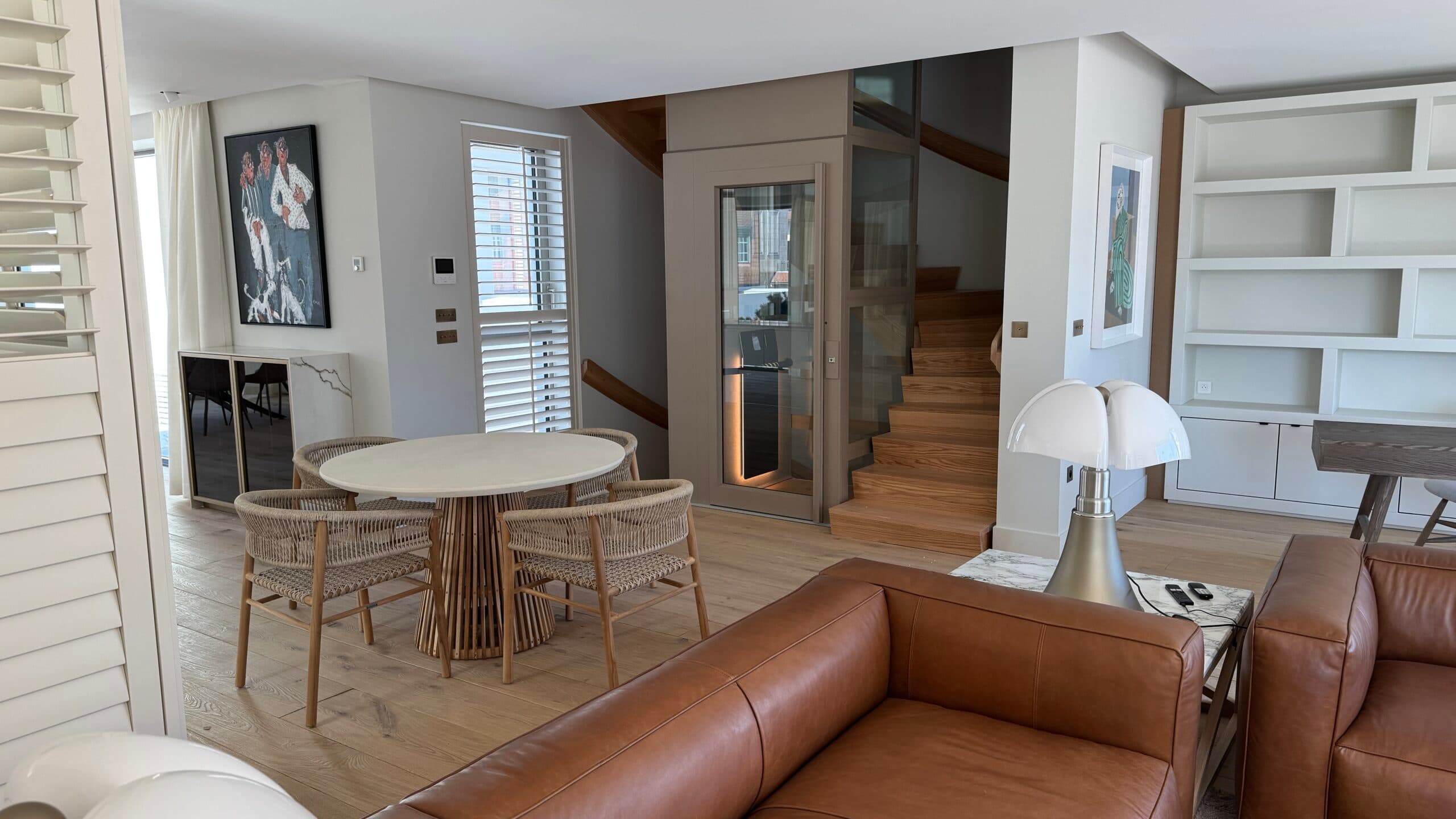
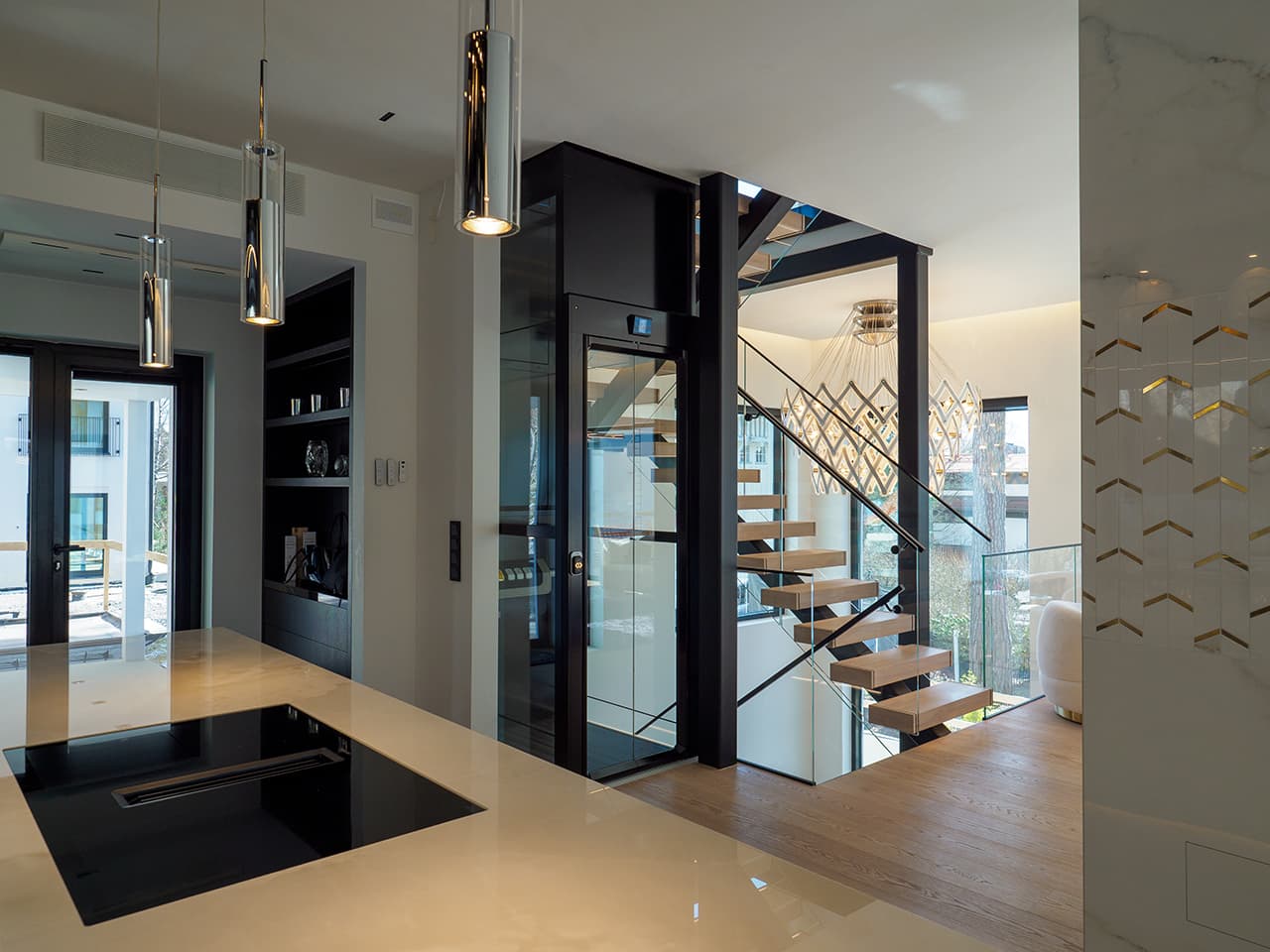
If you’re considering an apartment, look into whether the building has elevator access. For multi-story homes, think about whether there is space for future accessibility upgrades, such as a home elevator. Planning ahead doesn’t mean you’ll need these features immediately, but having options makes it easier to stay in the home you love for longer.
Future-proofing doesn’t mean planning for the worst. It’s about making sure your home adapts to your needs and lifestyle over time.

6. Look closely at stairs and accessibility
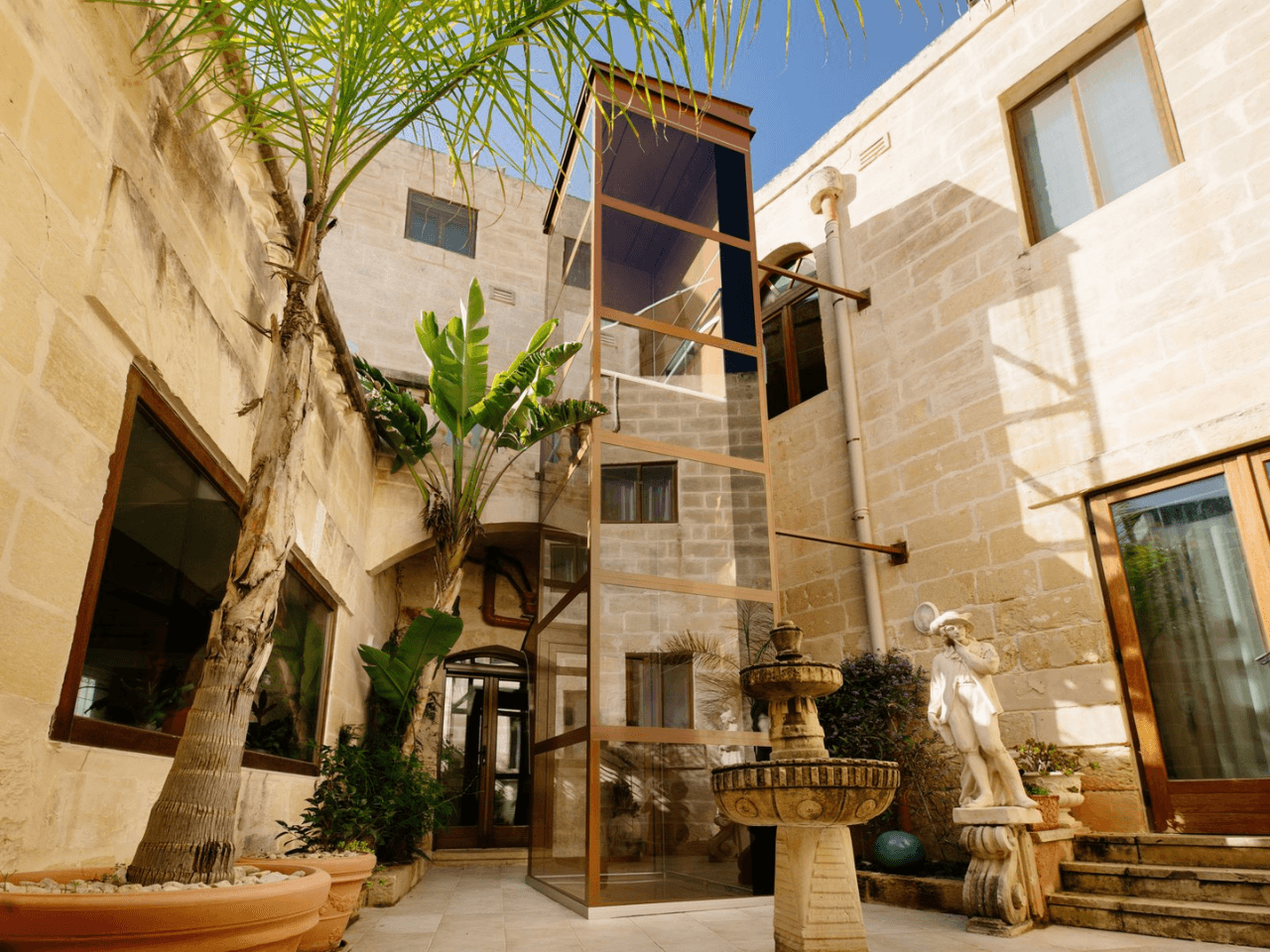
This is one detail many buyers don’t pay much attention to until later. In some of the world’s most popular retirement destinations, multi-story living is incredibly common. Apartment buildings and condominiums are widespread across Southern Europe, while townhouses and charming older properties often come with multiple floors and plenty of stairs.
The problem is that what feels quaint and character-filled today may become less practical as the years go by. When viewing a property, think about how often stairs are used in everyday life. Is the bedroom upstairs? Is the laundry downstairs? Would getting around the home still feel comfortable in ten or twenty years?
These are small questions now, but they can have a big impact later.
7. Renovate with the future in mind
If you’re planning to renovate, make sure accessibility is part of the conversation from the start. The good news is that many accessibility improvements can be made without sacrificing a home’s style or character. When renovating, consider upgrades that can make everyday life more comfortable in the years ahead, such as:
Wider doorways
Wider doorways make it easier to move around your home and can accommodate mobility aids, such as wheelchairs, should they ever be needed.
Accessible Bathrooms
Consider features such as walk-in showers, slip-resistant flooring, and thoughtful layouts that improve both safety and convenience.
Step-Free Entrances
Where possible, avoid steps at entry points. Step-free access makes it easier for everyone to come and go comfortably, whether you’re carrying groceries, pushing a suitcase, or simply looking for a more convenient everyday experience.
Home Elevators and Lifts
For multi-level homes, a residential elevator or home lift can be a valuable long-term investment. Whether you own a townhouse, a condominium, an apartment, or an older home with several floors, a lift can help you continue enjoying every part of your property while maintaining your independence. It’s not just about accessibility. It’s about ensuring your home continues to work for you as time goes by.

One thing we can help with
Retiring abroad comes with plenty of decisions, from choosing the right destination to finding a home that fits your lifestyle.
While we can’t help you pick your dream retirement location, we can help make life there a little easier. Our residential elevators and home lifts are designed to help homeowners navigate multi-level living comfortably and independently, allowing them to continue enjoying their homes as their needs change over time. Have questions about adding a home lift to your retirement property? Contact us and we’ll be happy to help.
Conclusion
When buying a home abroad, it’s easy to focus on the views, the climate, and the lifestyle. Those things matter, but so does choosing a property that can adapt with you over time.
By thinking ahead about accessibility, maintenance, and future renovations, you can create a home that remains comfortable and functional for years to come. Whether that means installing a walk-in shower, creating a step-free entrance, or adding a home elevator in the future, thoughtful planning can help you stay independent and continue enjoying every part of your home.
The goal is to retire abroad but also build a life you enjoy for the many years to come.
Written by

Paulette CastroSocial Media Content Specialist, Author